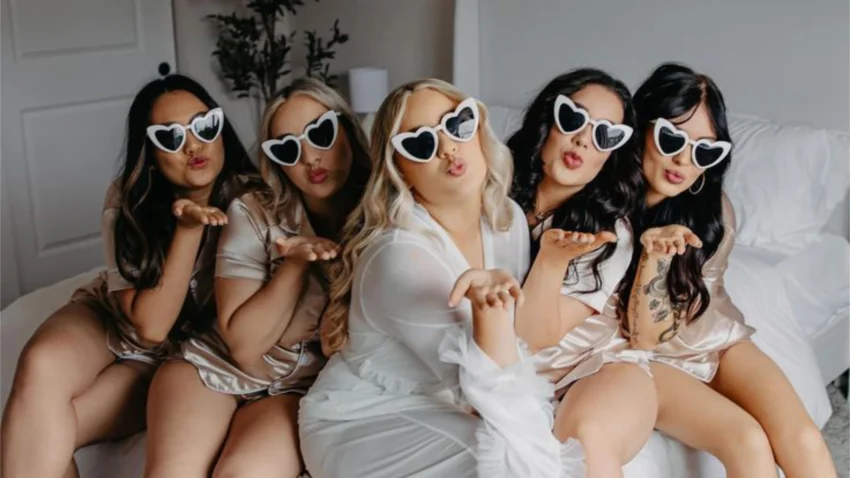
Photos do a lot of work before a single word is exchanged. On any best mail order bride website, her picture is usually the first filter you apply and the last thing you second-guess. That gap between first impression and actual verification is where most mistakes happen. This checklist walks through what to look for, what to ask, and when to stop analyzing and start deciding.
What Makes a Mail Order Bride Photo Actually Trustworthy?

Genuine photos have a kind of visual inconsistency that is actually reassuring. Real people look slightly different depending on the angle, the lighting, and the mood of the day. A profile that shows the same flawless pose from three slightly different distances is not showing you variety. It is showing you a controlled image.
Look for small human details: uneven skin, a different hairstyle in one photo versus another, a background that suggests an actual life rather than a studio. A woman photographed at a birthday dinner, on a hiking trail, and sitting in a messy kitchen is giving you context. Soft-lit close-ups with no environmental cues give you very little.
Professional photos are not automatically a red flag. Many women on international dating platforms hire photographers or take polished headshots. What matters is whether professional photos coexist with candid ones. A profile that mixes a well-shot portrait with a blurry group photo from a holiday is more credible than one where every image looks like it came from the same shoot.
Time markers matter too. Photos taken across different seasons or years suggest a real person updating her profile over time. Eight photos that all appear to be from the same afternoon tell a narrower story than you might want to believe.
How Do Scammers Use Stolen Photos to Deceive Men?
Stolen photos usually come from three places: Instagram accounts of attractive women who post publicly, modeling portfolios on low-traffic sites, and old profiles scraped from other dating platforms. The person running the scam does not need to be particularly skilled. They need a face that reads as attractive and credible, and those are easy to find.
The photos chosen are rarely the most provocative ones. Scammers tend to pick images that feel warm and approachable rather than overtly sexual, because warmth builds emotional attachment faster than physical appeal does. A smiling woman in a floral dress holding a coffee cup triggers a different response than a glamour shot. One feels like someone you could actually meet, and that feeling is exactly what they are counting on.
The deception is emotional, not just visual. Once you feel something, your photo analysis gets less rigorous. The stolen photo’s job is to engage your feelings before your skepticism can catch up.
One useful detail: stolen photos often carry a visual polish that does not match the platform they appear on. If the photo quality looks noticeably higher than the site’s average and the profile is otherwise thin or recently created, that contrast is worth noting.
Why Your Emotional Hopes Can Cloud Your Photo Analysis?
Attraction changes what you are willing to accept as an explanation. If someone you find compelling says her newer photos are on her other phone, you file that away as plausible. If someone you have no interest in says the same thing, you move on immediately. Same answer, completely different outcome. That gap is not a character flaw. It is just how desire works.
Loneliness compounds this. After weeks of browsing and finally landing on someone who feels different, the urge to protect that feeling is strong. Inconsistencies that would have been dealbreakers on day one start to feel like minor puzzles. Urgency does the same thing. Once flights are being discussed, the sunk cost of weeks of correspondence makes skepticism feel like self-sabotage.
A concrete example: she has four photos, two of which look like they could be different people. She explains it as weight loss. Ask yourself honestly whether you would accept that answer from a profile you were not already emotionally invested in. If the answer is no, the explanation has not actually satisfied you. Your investment in her has.
Catching this pattern in yourself is not about feeling foolish. It is about noticing the moment before a small rationalization becomes an expensive one.
Which Red Flags in Profile Pictures Predict Future Problems?
Some inconsistencies are cosmetic. Others point to something more deliberate. These are the ones worth paying attention to:
- Different face shapes or bone structure across photos: not just weight or makeup variation, but genuinely different facial geometry
- Skin tone that shifts significantly between images with no seasonal or lighting explanation
- Watermarks, stock-image borders, or faint agency logos that have been partially cropped
- Backgrounds inconsistent with her stated location or lifestyle
- Refusal to send a new photo when asked, or always defaulting to the same two or three shots
- Vague answers about when photos were taken, especially when pressed gently
- All photos taken at the same angle, which can indicate someone hiding a feature rather than just having a preferred pose
Behavioral signals around photos are often more telling than the photos themselves. Someone with nothing to hide usually does not mind sending a quick selfie on request. Shyness produces hesitation and then a slightly awkward photo. Evasion produces excuses and then either silence or a shot that looks oddly similar to ones already shared.
When building a dating photo checklist, weight the behavioral signals at least as heavily as the visual ones.
Can Reverse Image Search Really Expose Fake Profiles?
Reverse image search is genuinely useful, but it is not a complete solution. Save her photo, upload it to Google Images or a dedicated tool like TinEye, and see where else that image appears. If it comes back attached to a different name on another dating site, or to a model’s portfolio in a different country, that is a significant finding.
What it does not catch is photos that have been cropped, filtered, mirrored, or slightly edited before use. Scammers with any experience know that minor alterations defeat most reverse search tools. A photo that comes back clean is not automatically verified. It may simply be a stolen image modified just enough to avoid detection.
Some real photos also appear in multiple places without any fraud involved. A woman who has been on several dating platforms over several years may have the same photos indexed across all of them. A result showing her profile on a different site from two years ago is not necessarily alarming. Context matters.
| Verification Method | What It Catches | What It Misses | Effort Required |
|---|---|---|---|
| Reverse image search | Exact or near-exact stolen photos | Edited or cropped duplicates | Low |
| Requesting new selfie | Whether she can produce a current, matching image | Well-prepared catfish with access to real person | Low |
| Video call | Live face match, real-time behavior | Very rare deepfake scenarios | Medium |
| Social media cross-check | Consistent identity across platforms | Newly created or private accounts | Medium |
Use reverse image search as a first pass, not a final verdict. A clean result buys her some credit. It does not close the file.
What Questions Should You Ask About Her Photos?
Asking about photos does not have to feel like an interrogation. Curiosity is a normal part of getting to know someone, and most genuine women will answer questions about their pictures with the ease of someone who has nothing to manage.
Open questions work better than direct challenges. Asking where a particular photo was taken is more useful than asking why all her photos look the same. The first invites a story. The second puts her on the defensive. Real stories tend to include specific, slightly irrelevant details. Rehearsed answers tend to be complete but oddly smooth.
A few questions that open naturally into real conversation:
- Where was this photo taken? It looks like somewhere interesting.
- Is this a recent photo? You look a bit different in some of them.
- Do you have any photos from the last month or two? I am curious what you look like now.
That third question is the most useful one. A straightforward request for a recent photo cuts through almost every photo-related concern faster than analysis does. Her response tells you more than any image she has already chosen to share.
The same principle applies regardless of where she is from. Women active on Latin dating platforms and those from Eastern Europe tend to respond to genuine curiosity very differently from evasion, and that difference shows up quickly when photo questions are handled naturally.
How Video Calls Change Everything About Photo Verification?
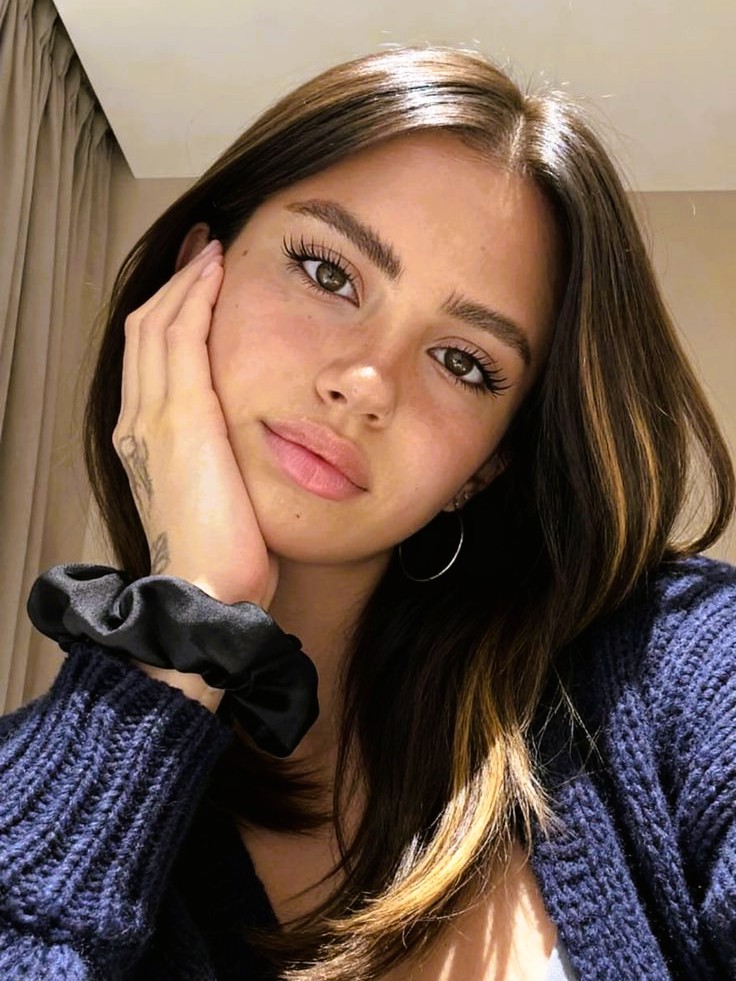
Live video is the single most effective verification step available, and it is underused because suggesting it can feel abrupt. Framing it as wanting to actually talk rather than just type usually lands well with someone who is genuinely interested.
Video reveals what photos cannot: how she moves, her spontaneous expressions, whether her face holds up across different lighting conditions in real time. A scammer using stolen photos cannot survive a live call without either refusing it or producing someone else entirely. Both outcomes tell you exactly what you need to know.
Watch for patterns during the call itself. Persistent technical issues that only affect her camera, a preference for voice-only calls, or lighting that conveniently obscures her face are all worth noting. These things happen in genuine conversations too, but they should not recur with no resolution. Someone who wants to be seen by you will eventually let you see her clearly.
The call also resets your emotional calibration. After weeks of looking at still photos, seeing someone move and speak in real time either confirms the feeling you have been building or introduces a friction you cannot ignore. Either result is useful. The goal is not to catch her out. It is to actually meet the person behind the profile before you invest anything serious.
When Should You Move From Photos to Real Connection?
After a handful of verified interactions specifically a video call, a few candid photos sent on request, and consistent answers to reasonable questions the photos themselves should start mattering less than the conversation does. Continued focus on image details after three weeks of regular chatting usually means either something specific has not been resolved, or photo analysis has become a way to avoid deciding how you actually feel.
The decision point is practical: committing more time, and eventually money, should be based on what you actually know. A reasonable foundation looks like this: she has passed a video call, her photos are consistent across platforms, she answered questions about her pictures naturally, and the conversation has moved beyond surface-level exchanges.
Understanding the realistic costs involved is part of making a grounded decision. The financial side of international dating in Russia is worth understanding before photos become flights and flights become something more significant.
A profile that has cleared most of your checklist but still feels slightly off deserves one more honest look before you step forward. One that has cleared it and feels genuinely good is a case where continued photo scrutiny is probably holding you back rather than protecting you.
Verified photos confirm the person exists and looks roughly like her pictures. They tell you nothing about whether she is kind, whether your values align, or whether the distance and logistics are something either of you is prepared to handle. Use the checklist, run the verification steps, and then let the actual back-and-forth be the thing you evaluate from there.